

Gambella Regional Goverment
Gambella has a new regional government. What it does not have is a new set of problems. The seventh Regional Council has approved the executive structure presented by Regional Head Alemitu Umod, including a deputy regional head, 20 bureau heads and senior officials for the regional Auditor General’s OffiOffi
The Council has also established its leadership, standing committees, Secretariat and senior judicial appointments. On paper, the structure is complete. But politics is not measured by the number of appointments announced in a Council chamber.
It is measured by what happens after those officials leave the chamber. And this is where the new Gambella government faces its first and most uncomfortable test.
The government cannot reset the clock Alemitu Umod is not entering government as an unknown political figure.
She has already led the regional administration since August 2024 and has again identified security, youth employment, education, healthcare, clean water, agriculture, natural resources and unfinished infrastructure as priorities.
Those commitments are now easier to judge because the government has entered a new five-year political term.The central issue is therefore not whether the new administration has identified the right problems.
It is whether this administration will produce different results from the institutions that preceded it.
That question is particularly urgent on security.
MSF reported that following the 18 September violence in Itang Special Woreda, its Kule health centre received 88 patients. Eight were already dead and another four died upon arrival; 13 were referred to hospitals in Gambella for further care.
That medical record underscores the seriousness of the security portfolio now inherited by Koang Kulang, the newly appointed Head of the Peace and Security Bureau.
The public should not expect him to answer for violence that occurred before his appointment. But the new administration can be held responsible for what it does next.
The benchmark should be practical: safer movement, effective investigation of attacks, prosecution where evidence supports it, stronger early-warning mechanisms and greater public confidence in security institutions.
The government has repeatedly spoken about peace. The new term provides an opportunity to measure peace by conditions on the ground rather than by official statements.
A new cabinet does not automatically mean a new government
The appointment list is long. But changing officeholders does not necessarily change institutions. A new bureau head can change priorities and management.
Yet if the same administrative weaknesses remain underneath, changing names on office doors will accomplish little.
That is why the new administration should be followed through budgets, procurement, implementation and measurable results.
Alemitu has identified unfinished infrastructure as a priority. The public should therefore be able to see which major projects are being carried forward, what remains incomplete and what the government intends to do differently.
The same standard should apply to every major commitment. Youth employment should be visible in programmes and expenditure. Health commitments should be reflected in facilities, medicines and staffing.
Agricultural priorities should produce measurable investment and productivity initiatives. Water commitments should reach communities rather than remain in plans.
The test is delivery. Finance will reveal whether the promises are serious. Lakder Lakbak, newly appointed Head of the Finance Bureau, now occupies one of the government’s most consequential positions.
Every major promise ultimately meets the same constraint: resources. Youth employment, roads, health centres, schools, water projects and security all require public money.
Finance therefore provides one of the clearest ways to measure the gap between political commitments and actual priorities. If programmes are repeatedly announced without adequate funding, implementation will remain limited.
If resources are available but projects remain unfinished, the public deserves an explanation. Greater transparency over budgets, procurement and project execution would make it easier to distinguish genuine constraints from weak implementation.
The Auditor General cannot become decorative
The appointment of Dr. Uman Amulu as Auditor General and Peter How as Deputy Auditor General gives the region another institution that deserves serious attention.
The Auditor General’s Office should not exist merely because the regional system requires an audit institution. Its value will depend on whether it can identify problems in public expenditure, procurement and project implementation and whether those findings lead to corrective action.
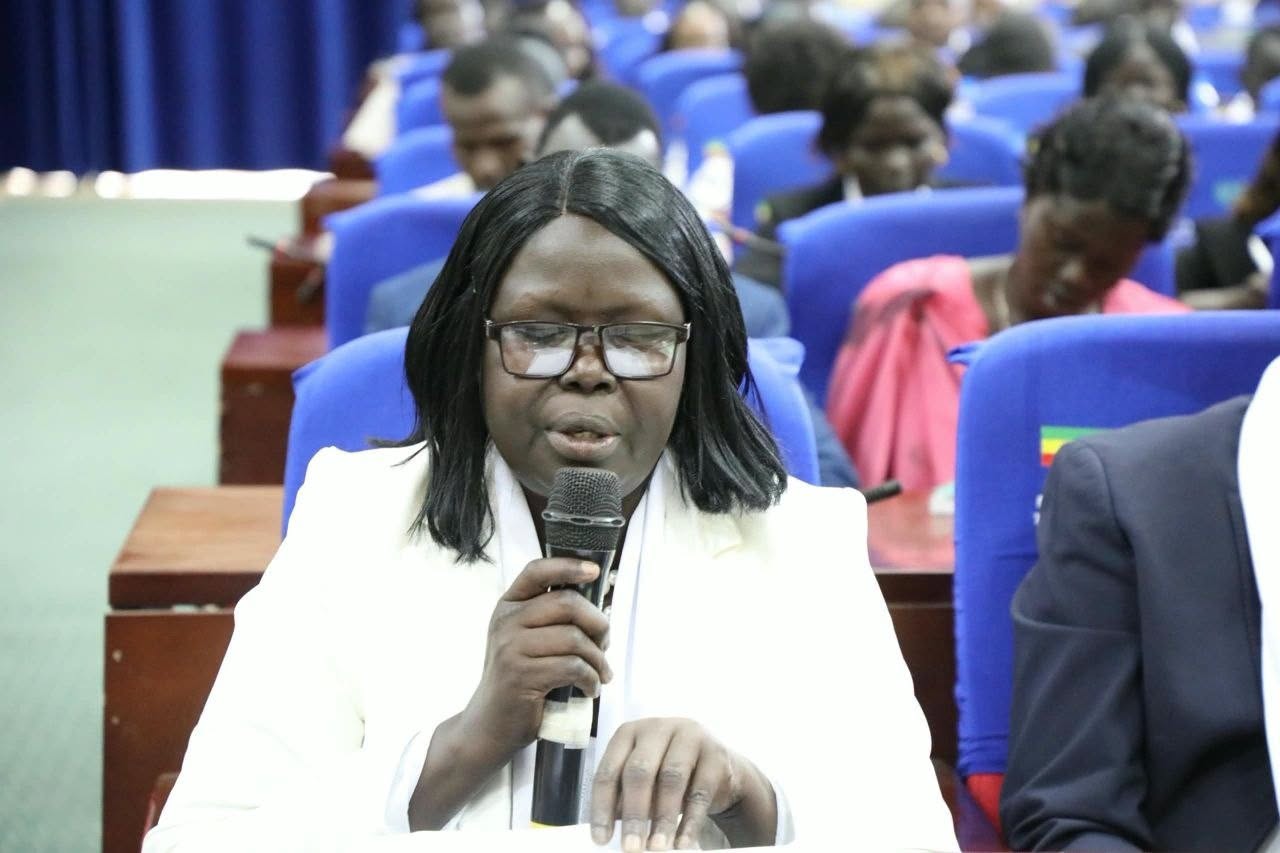
The same applies to the Council. The Council now has nowhere to hide The new Regional Council has elected Isaac Abraham as Speaker, Jamus Nyoch as Deputy Speaker, appointed Rial Jing to lead its Secretariat and approved standing committees.
The Council therefore has the institutional machinery required for oversight. Its credibility will depend on how that machinery is used.
Standing committees can examine government performance, question officials, scrutinize budgets and follow up on implementation. Council members can demand explanations when public programmes fail to meet stated objectives.
The important question is whether those powers will be exercised consistently, including when scrutiny becomes politically uncomfortable.
A legislature that approves government proposals but rarely challenges their implementation provides limited accountability, regardless of how formally correct its procedures may be.
The political environment matters
The new administration has emerged from the 2026 general election, in which the Prosperity Party retained a dominant position nationally and secured substantial representation in regional councils.
That does not determine how individual Council members will perform their duties. But it makes institutional oversight particularly important. The Council’s responsibility is not simply to approve the executive’s programme.
Its members also have a public mandate to examine how that programme is implemented. For independent media, this creates an important reporting opportunity: follow the decisions, budgets and outcomes rather than assuming political alignment tells the whole story.
Gambella cannot afford another cycle of unfinished promises
The region’s problems are not theoretical. Gambella hosts a large refugee population alongside its host communities, placing pressure on health, protection and social services.
UNFPA has described the region as hosting more than 416,700 refugees alongside approximately 555,000 host-community residents.
Security remains an immediate challenge. Development remains a major concern. Youth opportunities, infrastructure and public services continue to require attention.
The new government inherited these challenges. It now owns responsibility for addressing them. That does not mean demanding instant results. It means establishing a clear record against which performance can be measured.
The first 100 days should produce evidence
The new administration should not be condemned before it has had an opportunity to implement its programme. But neither should government formation itself be treated as an achievement sufficient to earn political credit.
Officials have taken their oaths. The institutions are in place. The Council has completed the initial formation process.
Now comes the harder part.
Gambella Vision should be watching what happens next: which projects move, which budgets change, which security measures work, which promises are funded and which problems remain unresolved.
Gambella does not need another government that is impressive at announcing itself. It needs institutions that can demonstrate what they have actually accomplished. The seventh Council has approved the government. The ministers and bureau heads have their offices.
The Speaker has his chamber.
The courts have their leadership.
The Auditor General has an institution to oversee.
Now the accountability begins