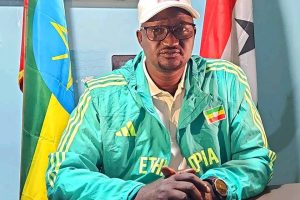


A continuing pattern of violence against Nuer civilians has become one of the most serious security and accountability concerns confronting Gambella,
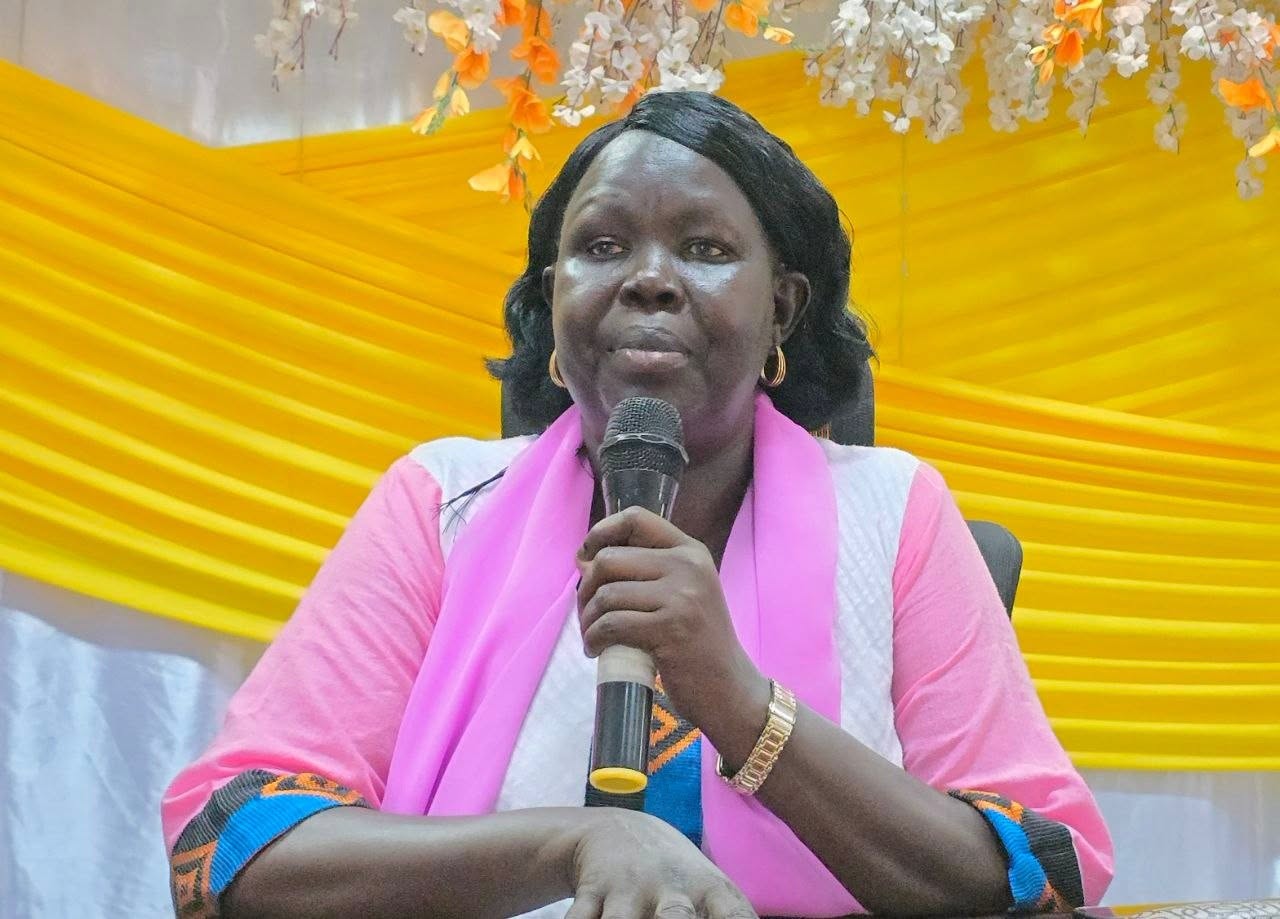
Alemitu Omod, Gambella President06
with repeated attacks on passengers and residents raising fundamental questions about the government’s ability and willingness to protect civilians.
Under President Alemitu Omot’s administration, attacks involving Nuer civilians have continued to generate fear across communities and along major transport routes.
Public transportation has become particularly sensitive.
Passengers travelling between communities have repeatedly faced attacks in areas where armed groups have been able to operate with devastating consequences.
Previous documented incidents demonstrate that bus attacks are not a new phenomenon in Gambella. In November 2025, an armed attack on a bus in the region left five people dead and several others injured. Another reported attack in August 2026 left at least three people dead and seven injured.
More recent reports continue to demonstrate that insecurity remains a major concern.
For civilians, the consequences extend far beyond the immediate casualties.
People must travel for education, employment, healthcare, trade and family obligations. When roads become associated with ambushes and killings, ordinary movement itself becomes a security risk.
A Pattern That Can No Longer Be Ignored
The central issue is not one isolated attack. It is the repeated emergence of violence against civilians and the apparent inability of authorities to bring the cycle to a decisive end. Nuer communities have repeatedly raised concerns about attacks they say are carried out by armed Anywaa groups.
These attacks have included ambushes, shootings and killings involving civilians.
The concern is intensified by the perception that perpetrators are rarely brought to justice. When killings occur without credible investigations and prosecutions, communities naturally begin to question whether the state is capable of protecting them.
That perception is particularly dangerous in a region already affected by decades of ethnic conflict. Conflict research on Gambella identifies the Anywaa-Nuer conflict as one of the region’s most prolonged and violent conflicts.
But historical conflict cannot become an excuse for continued attacks against civilians. Nor can ethnic identity determine whose life receives protection from the state.
The Responsibility of the Regional Government
The regional government has a clear responsibility to maintain public security and protect civilians. President Alemitu Omot, as head of the regional administration, is therefore facing legitimate and increasingly urgent questions about the government’s response to the continuing violence.
The question is not simply whether the administration condemns violence. The question is whether its security institutions are preventing attacks, investigating killings and ensuring that those responsible face justice.
Public condemnation without accountability does little for families who have lost relatives.
Security deployments that fail to prevent repeated attacks also require examination. And investigations that never result in prosecutions can deepen public distrust.
The Nuer community deserves the same protection afforded to every other community in the region.
Any government that claims to represent all of Gambella must demonstrate that commitment through action.
Where Is the Accountability?
One of the most disturbing aspects of the continuing crisis is the question of accountability.
Victims and their families want answers.
Who planned the attacks? Who carried them out? Who supplied weapons? Were warnings available before the attacks?
Were security authorities informed? Why were vulnerable routes not adequately protected? And, after an attack occurred, what happened to those responsible?
These are not merely political questions.
They are fundamental questions of public security and criminal justice. If suspects have been identified, they should be investigated and prosecuted through the appropriate legal process. If security officials failed to act despite credible warnings, their conduct should also be examined.
And if evidence demonstrates organized ethnic targeting, that evidence should be formally documented and addressed through the appropriate legal mechanisms.
The Human Cost
Behind every reported death is a family. A passenger killed on a road is not simply a statistic. That person may have been a parent, brother, sister, husband, wife, student, worker or community member travelling for an ordinary purpose.
The fear created by repeated violence also affects thousands of people who survive. Families begin reconsidering whether it is safe to travel. Businesses suffer when transportation becomes dangerous. Students face difficulties reaching schools. Patients may struggle to reach health facilities.
Communities become increasingly isolated from one another. This is how insecurity gradually destroys social and economic life even beyond the immediate battlefield.
The Federal Government Cannot Remain Distant
The continuing situation also demands greater attention from Ethiopia’s federal authorities. Where regional institutions are unable or unwilling to adequately protect civilians, federal institutions have a responsibility to intervene within their constitutional and legal mandates.
The Ethiopian Human Rights Commission should also be given the opportunity to independently examine credible reports of killings and ethnic-targeted violence.
An independent investigation should not be designed to protect one community or punish another. Its purpose should be to establish the truth.
If Nuer civilians have been deliberately targeted, the perpetrators must be identified. If Anywaa civilians have also been targeted in separate incidents, those perpetrators must equally face justice. Equal justice is the only sustainable basis for peace.
The Danger of Impunity
The most dangerous message a government can send to armed actors is that violence will have no consequences. When perpetrators believe that they will never be arrested, investigated or prosecuted, violence becomes easier to repeat.
When victims believe that the state will not protect them, communities become more likely to seek security through their own means.
That creates the conditions for retaliation. Retaliation then produces another attack. Another attack produces another retaliation. And the cycle continues.
Gambella has experienced this pattern for decades. Breaking it requires more than political speeches. It requires professional security institutions, impartial investigations, functioning courts and political leadership willing to confront perpetrators regardless of their identity.
A Direct Challenge to the Alemitu Administration
President Alemitu Omot’s administration now faces a critical test. The government must demonstrate that the security of Nuer civilians matters as much as the security of every other citizen in Gambella.
It must demonstrate that armed groups cannot operate with impunity. It must demonstrate that victims can obtain justice. And it must demonstrate that the regional government will not tolerate attacks against civilians regardless of who commits them. The administration cannot simply measure its performance by official statements or political announcements.
Its record must ultimately be measured by whether ordinary people can travel safely, whether communities can sleep without fear and whether perpetrators are brought to justice.
Gambella Cannot Continue Like This
Gambella cannot build lasting peace while civilians remain afraid to travel on public roads. It cannot achieve genuine reconciliation while families continue burying relatives without answers.
And it cannot establish public trust while serious allegations of violence remain unresolved. The people of Gambella deserve a government that protects them before violence occurs, responds decisively when violence occurs and delivers justice afterward.
The Nuer community deserves protection.
The Anywaa community deserves protection.
Every civilian in Gambella deserves protection.
The responsibility of government is not to choose which community deserves security. It is to provide security equally.
The continuing reports of attacks against Nuer civilians therefore require immediate attention from both regional and federal authorities.
The question confronting Gambella is no longer whether insecurity exists. It is whether the government will finally confront the forces responsible for it and establish a system in which civilian lives are protected and perpetrators cannot operate with impunity.
For the families who have already lost loved ones, justice delayed is not justice delivered. Gambella needs action, not another cycle of promises. It needs protection, accountability and equal justice for every civilian.
This article was produced by Pam Chuol Joack, a contributor to Gambella Vision and an Analyst in Gambella Affairlemitu Omod,