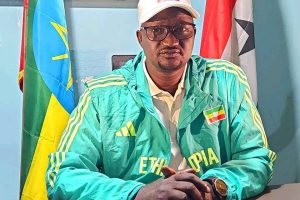


Since Alemitu Umod assumed the presidency of Gambella Regional State in August 2024, how many civilians have been killed in armed attacks, shootings and other security incidents?
How many families have lost loved ones, how many passengers have been attacked while travelling on public roads, and how many communities have been forced to live under the shadow of insecurity?
More importantly, after more than two years of repeated violence, how much does the public actually know about the investigations conducted, the suspects identified, the arrests made and the people brought before courts? If the administration came to power with expectations of restoring peace and stability, where is the comprehensive public account of what has happened to those expectations?
On September 9, 2024, less than a month after the new administration took office, a Nuer lecturer was shot dead in Gambella City’s Kebele 05 while returning home from work at the Gambella Health Science and Teachers Training College. The Ethiopia Peace Research Facility later documented the killing and described it as a revenge attack linked to earlier violence.
Was a thorough criminal investigation opened into the lecturer’s death? Were the perpetrators identified and arrested? Did prosecutors receive a case file, and was anyone convicted?
What happened to the family seeking justice? If the incident was investigated, why has a clear public account of its outcome remained difficult to establish?
The security concerns were not confined to Gambella City. On October 14, 2024, four children were reportedly abducted in Kutbuudi village, Gog Woreda, by armed actors identified in the conflict assessment as Murle. In May 2025, an armed attack on a public transport bus travelling from Dima to Gambella City reportedly killed five passengers and injured seven others.
Were the abducted children recovered, and were those responsible identified? Following the May 2025 bus attack, did police establish the identities of the attackers, trace their movements and coordinate with federal or neighbouring authorities to pursue them?
Were any suspects arrested or prosecuted? How many investigations into attacks affecting communities and transport routes have actually reached a judicial conclusion?
December 2025 brought another devastating security crisis. The killing of Gambella City Police Chief Umod Ujulu was followed by deadly clashes, widespread insecurity and civilian displacement.
The African Press Agency reported that 18 suspects had been arrested in connection with the police chief’s killing and the subsequent unrest. Later reports described extensive casualties, including a report citing at least 47 people killed in a single day of violence.
Were the 18 suspects formally charged, and what were the outcomes of their cases? Were separate investigations opened into the civilian deaths during the clashes?
Did investigators distinguish between the circumstances of each death, identify individual perpetrators and establish whether any security personnel violated the law? How many families have received official explanations about the deaths of their relatives?
In February 2026, Gambella Police Commission officials reportedly disclosed that investigation files involving 48 police officers suspected of misconduct had been initiated, with files concerning 28 officers submitted to the regional prosecutor and those involving another 20 being prepared for court proceedings.
Separate reports also described disciplinary measures and convictions in other cases involving police personnel. Were these proceedings connected to the December 2025 violence, or did they concern separate allegations of misconduct?
Which officers were charged, what offences were established and what judgments were delivered? Have the authorities published a comprehensive account of the proceedings? And why has the public still not been given a similarly clear account of the investigations into the civilian killings and attacks that accompanied the wider security crisis?
On September 18, 2026, another armed attack struck public transport vehicles travelling through Abol Woreda towards the Nuer Zone. Médecins Sans Frontières reported that Kule Health Centre received 88 patients following the violence, including eight who had already died and four who died upon arrival despite medical intervention.
Thirteen patients were referred to hospitals in Gambella. Who carried out the attack, and what evidence has been collected to identify those responsible? Did police interview surviving passengers, drivers and witnesses? Were ballistic examinations or other forensic investigations conducted?
Have suspects been identified or arrested, and has the case reached the prosecutor? If the perpetrators remain unidentified, what measures are being taken to prevent another attack on the same route?
The October incidents raised further questions about the protection of civilians and the handling of security grievances. EHRCO documented civilian killings in Kebele 04 on October 10, injuries to a mother and child in Addis Sefer on October 11, and four additional reported deaths in Kebele 04 on October 13.
It also reported a confrontation involving regional security forces and armed individuals, during which one person was reportedly injured and property damaged.
Were independent investigations opened into each of these incidents? Were the deaths subjected to forensic examination? Were witnesses interviewed and evidence preserved? Did authorities establish whether the incidents were connected or involved separate perpetrators? What happened to the investigations after the immediate security operations ended?
On October 17, the African Press Agency reported at least 25 deaths and more than 80 injuries during clashes involving armed groups and the Ethiopian National Defence Force in Gambella City and surrounding areas.
EHRCO subsequently called for thorough investigations, prosecution of perpetrators and stronger civilian protection. Has the regional government formally responded to the council’s findings?
Has it provided an incident-by-incident explanation of the measures taken? Have federal authorities opened their own investigations into incidents involving federal security personnel? If investigations are underway, why has the public not received a clear account of their scope, progress and expected legal outcomes?
Are the curfews, security deployments and restrictions on movement being accompanied by credible criminal investigations? Can the authorities explain how many cases have been opened, how many suspects have been identified, how many arrests have resulted in formal charges and how many cases have ended in convictions?
What independent mechanisms exist to examine allegations involving members of the security forces themselves? When a civilian is killed during a security operation or a confrontation involving armed personnel, who investigates the incident, and how is the independence of that investigation guaranteed?
Does the public have access to a mechanism through which victims and families can report cases and follow their progress? What support has been provided to families who lost relatives, passengers who survived attacks and residents displaced by violence? Have victims received medical, financial or psychosocial assistance? Have displaced households been informed about the security conditions required for a safe return? Are families able to pursue justice without intimidation or fear of retaliation? And when will the authorities publish reliable information showing how many victims have received assistance and how many cases have resulted in legal accountability?
President Alemitu Umod’s administration has a responsibility to explain what its security and justice institutions have done since August 2024. Can the regional government provide a consolidated record of civilian killings, armed attacks, abductions and other major security incidents during this period?
Can it disclose how many investigations were opened, how many were completed, how many suspects were prosecuted and how many cases resulted in convictions? If such information exists, why has it not been made accessible to the public? If some cases remain unresolved, what obstacles are preventing investigators and prosecutors from completing their work?
Gambella cannot measure peace solely through curfews lifted, roads reopened or government announcements declaring a return to normality. What does peace mean to families who have buried relatives without knowing whether anyone has been held responsible?
What does public security mean to passengers who continue to fear travelling along roads where vehicles have previously been attacked? And what confidence can communities place in the justice system if they cannot establish whether those responsible for repeated violence have been investigated and prosecuted?
The victims have names, their families have unanswered questions, and the incidents have been documented. What remains unclear is the full record of investigations and accountability. Gambella’s search for justice cannot remain unfinished while the public waits for answers.
This article is authored by Wiyual Gatwech, a scholar and analyst specializing in Gambella affairs.