
Introduction: A People Shaped by Rivers, Cattle, and Community
nU
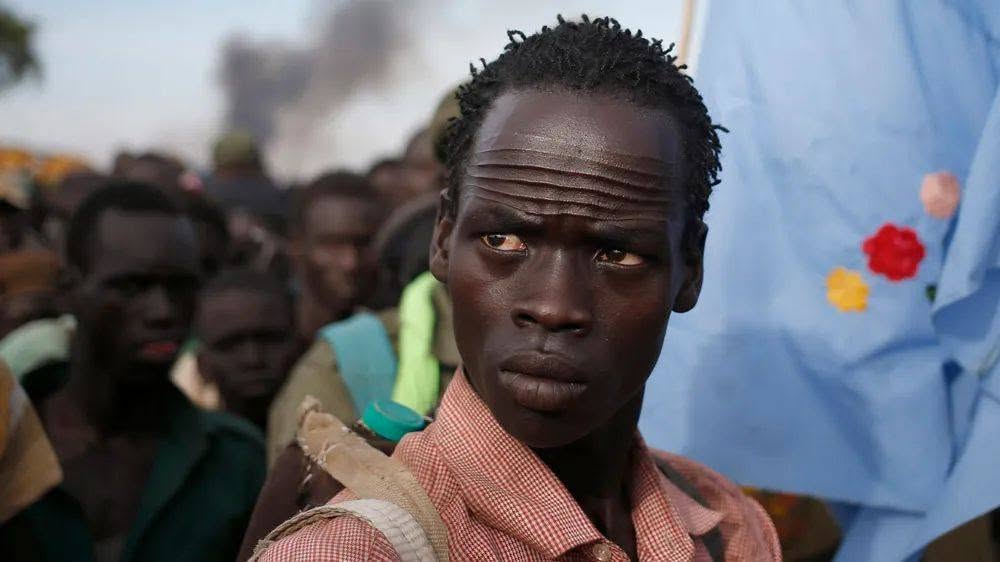
Nuer Ethiopian
The Nuer are among the largest Nilotic ethnic groups in the Horn of Africa, with communities living mainly in western Ethiopia and north-eastern South Sudan.
In Ethiopia, the Nuer people are predominantly found in the Gambella Region, where they represent one of the major indigenous communities whose history, culture, and identity have been shaped by the region’s rivers, wetlands, grasslands, and traditional way of life.
For centuries, the Nuer have maintained a strong cultural identity built around pastoralism, kinship, communal responsibility, respect for elders, and a deep relationship with cattle and the natural environment.
Their society has survived generations of change, from historical migrations and political transformations to the challenges and opportunities brought by modernization. Although Ethiopian Nuer share ancestry, language, and cultural traditions with Nuer communities in South Sudan, they have developed their own unique experience as citizens of Ethiopia.
Today, the Nuer are active participants in the political, economic, social, and cultural life of the Gambella Region and the wider Ethiopian state. From the rural communities of the five districts of the Nuer Zone, Lare, Jekow (Jikawo), Makuey, Wanthoa, and Akobo, to the growing urban Nuer population in Gambella City, the community continues to balance its rich traditions with the realities of the modern world.
Historical Background: Migration, Settlement, and Identity
The Nuer belong to the Western Nilotic peoples, whose ancestors developed their societies in the Upper Nile Basin over many centuries.
Historical and anthropological studies indicate that Nuer communities gradually expanded eastward from areas that are now part of South Sudan between the sixteenth and nineteenth centuries.
These movements were influenced by several factors, including population growth, the search for fertile grazing lands, access to water resources, and competition over natural resources. The environment of the Upper Nile region, with its rivers, floodplains, and extensive grasslands provided ideal conditions for cattle keeping, fishing, and seasonal agriculture.
The Baro, Akobo, Gilo, and Jikawo river systems became central to Nuer settlement patterns. These waterways supported livestock, agriculture, fishing, transportation, and trade. Over generations, Nuer communities established permanent settlements across areas that are today part of western Ethiopia.
The modern international border between Ethiopia and South Sudan was created through colonial-era processes and later became an international boundary after South Sudan gained independence in 2011. However, the border did not erase Nuer identity or social connections. Families, clans, marriages, language, and cultural institutions continue to connect Nuer communities on both sides.
The history of the Nuer is therefore not only a story of migration but also a story of adaptation, survival, and maintaining identity despite changing political boundaries.
The Nuer in Ethiopia: Indigenous Identity and Regional Contribution
Today, Ethiopia is home to one of the largest Nuer populations outside South Sudan. The majority of Ethiopian Nuer live in the Gambella Region, particularly within the administrative area known as the Nuer Zone.
The Ethiopian Constitution recognizes the Nuer as one of the country’s indigenous nationalities. Through Ethiopia’s federal system, Nuer citizens participate in regional administration, local governance, education, healthcare, civil service, commerce, and national political affairs. The Nuer have contributed significantly to the development of Gambella through their participation in public institutions, agriculture, education, humanitarian work, business, and community leadership. Despite the influence of modernization, many Nuer families continue to preserve their traditional practices, including their language, ceremonies, social structures, and community values. These traditions remain an important source of identity and unity.
The Nuer Zone: The Cultural and Administrative Heartland
The Nuer Zone is one of the administrative zones of Gambella Regional State and serves as the cultural and political center of the Ethiopian Nuer community.
The zone consists of five districts:
- Lare
- Jekow (Jikawo)
- Makuey
- Wanthoa
- Akobo
Each district has unique geographical features, but all share common cultural foundations, language, and historical connections.
Lare District: A Land of Pastoralism and Border Connections
Located in western Gambella near the South Sudan border, Lare District is characterized by wide plains, wetlands, seasonal flood areas, and rich grazing lands. Livestock keeping remains the foundation of local livelihoods.
Cattle are central to the economic and cultural life of communities, providing food, wealth, and social value. During rainy seasons, many families move livestock to suitable grazing areas, while dry seasons provide opportunities for fishing and access to additional pasture.
Because of its location, Lare has maintained strong cultural and family relationships with neighboring Nuer communities across the border. Local markets support trade in livestock, fish, agricultural products, and household goods.
Although education, healthcare, and administrative services have expanded, seasonal flooding continues to affect transportation, infrastructure, and access to services.
Jekow (Jikawo) District: Fertile Floodplains and Agricultural Potential
Jekow, officially often written as Jikawo, is located in the north-western part of the Nuer Zone. The district is known for fertile floodplains that support agriculture and livestock production. Communities cultivate crops such as maize, sorghum, vegetables, and other food products while maintaining strong dependence on cattle. Fishing is also an important livelihood because of the abundance of rivers and wetlands.
Social life in Jekow reflects traditional Nuer values of cooperation, respect for elders, and collective responsibility. Weddings, age-group gatherings, religious celebrations, and community events continue to strengthen social bonds.
Makuey District: Tradition and Emerging Opportunities
Makuey is among the newer administrative districts of the Nuer Zone. Its economy combines pastoralism, agriculture, and growing participation in formal employment.
Families continue to raise cattle, goats, and sheep while producing crops for household consumption. At the same time, increasing numbers of young people are pursuing education and professional opportunities.
Schools, health facilities, and administrative structures have expanded, creating new opportunities for local development.
Traditional leaders continue to complement formal government institutions by helping resolve disputes and maintaining social harmony.
Wanthoa District: Community Strength and Cultural Preservation
Wanthoa is another important district where communities depend mainly on livestock, agriculture, and fishing. Seasonal flooding provides fertile soil for farming but also creates challenges by damaging roads and limiting transportation. Despite these difficulties, communities maintain strong solidarity and continue to preserve oral traditions, cultural practices, and traditional knowledge. Village elders remain influential in guiding community affairs and passing historical knowledge to younger generations.
Akobo District: A Historic Center of Trade and Culture
Akobo is one of the most historically significant districts of the Nuer Zone.
Located along the Akobo River near the South Sudan border, the district has long served as a center of trade, cultural exchange, and movement between communities.
Fishing remains a major economic activity due to the extensive river system, while agriculture and livestock production continue to support families. Because of its border location, Akobo has experienced both cooperation and periods of insecurity. However, local communities continue to emphasize peaceful coexistence, traditional mediation, and cross-border family relationships. Akobo remains a major cultural center where many traditional Nuer customs continue to be practiced.
The Nuer in Gambella City: Tradition Meets Urban Transformation
While the majority of Nuer people continue to live in rural districts of the Nuer Zone, Gambella City has become an increasingly important center for the Nuer community. Over the years, many Nuer families have moved to the regional capital in search of education, employment, business opportunities, healthcare, and improved access to public services.
Today, Gambella City is home to a diverse and growing Nuer population that includes government officials, teachers, healthcare professionals, university lecturers, entrepreneurs, students, humanitarian workers, security personnel, and civil servants.
Urbanization has introduced new lifestyles and challenges, but it has not weakened cultural identity. Traditional weddings, naming ceremonies, church gatherings, community associations, and cultural celebrations remain important parts of urban Nuer life.
Many educated Nuer professionals living in Gambella City continue to maintain strong relationships with their rural communities. They contribute through knowledge sharing, community development initiatives, financial support, and participation in social activities.
The growth of the urban Nuer population represents a broader transformation within the community: a movement from a predominantly pastoral society toward a more diverse society combining traditional livelihoods with modern professions.
Social Organization and Community Life: The Foundation of Nuer Society
The strength of Nuer society has always been built on community relationships. Unlike societies organized around centralized monarchies or permanent political authorities, traditional Nuer society developed through networks of kinship, clans, lineages, age groups, and respected elders.
Every individual is connected to a wider family structure that provides support during important moments of life, including celebrations, conflicts, illness, and times of hardship. Community life is based on shared responsibility.
A person is not viewed as separate from the wider society but as part of an interconnected network of relatives and neighbors. Respect for elders remains one of the most important values in Nuer culture.
Elders are considered guardians of history, cultural knowledge, and customary law. Their responsibilities include advising families, guiding young people, resolving disputes, and preserving traditions. Important decisions affecting communities are traditionally reached through discussion, consultation, and consensus rather than through individual authority.
Clans and Lineages: The Roots of Identity
The clan system is one of the most important foundations of Nuer social organization.
Every Nuer person belongs to a clan and lineage that connects them to their ancestors and establishes their place within the wider community. These relationships provide a sense of identity, belonging, and responsibility.
Clans play important roles in:
- Marriage arrangements
- Conflict resolution
- Social cooperation
- Cultural ceremonies
- Preservation of historical memory
Knowledge of family ancestry is highly valued. Elders preserve genealogical histories through oral traditions, passing information from one generation to another.
Although different clans may live in different villages or districts, they remain connected through cultural events, cooperation, and shared responsibilities.
The clan system has helped preserve Nuer unity across geographical boundaries, including between Ethiopian and South Sudanese Nuer communities.
The Family: The Heart of Nuer Life
The family remains the central institution of Nuer society. Traditionally, households often include parents, children, grandparents, and extended relatives living close together. Family members share responsibilities in raising children, caring for elders, managing livestock, farming, and supporting one another during difficult times.
Children are taught from an early age the values of respect, honesty, courage, responsibility, and cooperation.
Traditionally:
- Boys learned cattle keeping, fishing, farming, and community responsibilities.
- Girls learned household management, food preparation, caregiving, and family responsibilities. However, education and social change have expanded opportunities for both boys and girls. Today, many young Nuer pursue careers in education, healthcare, administration, business, law, engineering, and other professional fields. Despite modernization, family unity remains a defining feature of Nuer identity.
Relatives are expected to support one another during weddings, funerals, illness, and important community events. This strong social support system continues to distinguish Nuer society.
Traditional Leadership: Elders, Wisdom, and Community Guidance
Traditional Nuer leadership has historically been based on respect, wisdom, experience, and moral authority rather than absolute political power. Community elders have played a central role in guiding society. They organize discussions, mediate disputes, advise families, and help maintain peace.
Issues such as:
- Grazing land access
- Family disagreements
- Marriage disputes
- Community conflicts
- Resource management
are often addressed through dialogue led by respected elders. Traditional leadership continues to exist alongside modern government institutions. While elected officials and administrators manage formal governance, customary leaders remain important in maintaining social harmony and preserving cultural values.
Conflict Resolution and Customary Justice
Peace and reconciliation have traditionally been central principles in Nuer customary law.
When conflicts occur, elders often seek peaceful solutions through dialogue, negotiation, compensation, and restoration of relationships. The goal is not only to address the immediate problem but also to prevent long-term divisions between families and communities. Customary mediation continues to play an important role in many rural areas of the Nuer Zone, especially in family disputes, land disagreements, and community matters. This traditional approach emphasizes reconciliation, forgiveness, and rebuilding relationships.
Language: Thok_Naath, The Voice of Identity
The Nuer language is known as Thok Naath, meaning “the language of the people.”
It belongs to the Western Nilotic branch of the Nilotic language family and is closely related to Dinka, though the two languages remain distinct. Thok Naath is more than a means of communication; it is a foundation of cultural identity.
Through the language, generations preserve:
- History
- Proverbs
- Poetry
- Songs
- Moral teachings
- Traditional knowledge
Elders use storytelling and oral traditions to teach younger generations about respect, bravery, responsibility, and community values. Today, Thok Naath continues to be spoken throughout the Nuer Zone, Gambella City, and neighboring Nuer communities in South Sudan.
It is increasingly used in cultural programs, churches, local media, and education initiatives, helping protect the language in a changing world.
Religion and Spiritual Beliefs
Before the spread of Christianity, Nuer spiritual life centered around belief in a supreme creator known as Kuoth, understood as the creator and sustainer of life. Traditional beliefs included respect for ancestors and spiritual practices connected to community life and the natural world.
During the twentieth century, Christianity became the dominant religion among Ethiopian Nuer communities. Today, churches play a major role not only in spiritual life but also in education, humanitarian support, peacebuilding, and social development.
Christianity has become deeply integrated into many aspects of Nuer society while many cultural values, such as respect for elders, community responsibility, and hospitality continue to remain strong.
The Central Importance of Cattle: More Than Wealth
No symbol represents Nuer identity more strongly than cattle. For the Nuer, cattle are not simply economic assets. They represent culture, history, family relationships, and social status.
Cattle provide:
- Milk
- Meat
- Income
- Social security
- Cultural value
They are central to marriage traditions, ceremonies, and family relationships. Bride wealth is traditionally paid through cattle, symbolizing the connection between two families. Many Nuer give personal names to their cattle, especially prized oxen. Songs and praises are often composed about cattle, reflecting the deep emotional relationship between people and livestock. Seasonal cattle movement remains an important part of rural life. Families carefully manage their herds according to rainfall patterns, pasture availability, and river conditions. Even among educated professionals and urban residents, cattle remain a powerful symbol of heritage and identity.
Hospitality and Community Values: The Spirit of Togetherness
Hospitality is one of the most respected values in Nuer society. A visitor is traditionally welcomed with generosity, kindness, and respect. Offering food, milk, tea, or other refreshments to guests is considered an expression of dignity and good character.
Hospitality is not only about welcoming strangers; it reflects a broader belief that people are connected and responsible for one another. Community members are expected to support each other during important moments of life, including weddings, funerals, illness, farming activities, and times of hardship.
This spirit of cooperation is expressed through collective labor, financial assistance, and emotional support. The success or suffering of one family is often viewed as connected to the wider community.
Values such as honesty, courage, respect for elders, generosity, and responsibility toward relatives continue to shape Nuer society despite the changes brought by modernization.
Marriage: The Union of Families and Generations
Marriage holds a central position in Nuer culture. It is not viewed only as a relationship between two individuals but as a connection between two families, clans, and wider social networks.
Traditional Nuer marriage involves the participation of elders from both families. They guide discussions, ensure mutual understanding, and help establish peaceful relationships between the families of the bride and groom.
One of the most important elements of traditional marriage is bride wealth, traditionally paid in cattle. This practice is not considered the buying of a woman but rather a cultural institution symbolizing respect, appreciation, responsibility, and the joining of two families.
Marriage ceremonies are major community events. Relatives, neighbors, and friends gather to celebrate through:
- Songs and dances
- Blessings from elders
- Communal meals
- Cultural performances
Although many families continue to follow traditional customs, modern education, economic changes, and legal systems have influenced how marriages are organized today. Many young Nuer now combine cultural traditions with modern approaches to marriage, including formal education, personal choice, and legal registration.
Birth and Childhood: Raising the Next Generation
The birth of a child is considered a moment of happiness and blessing in Nuer families.
Children represent continuity, hope, and the future of the community. Traditionally, raising children is not only the responsibility of parents but also of grandparents, relatives, and the wider community.
From childhood, young people are taught important values, including:
- Respect for elders
- Responsibility
- Hard work
- Compassion
- Community service
In rural areas, children traditionally learn practical skills from their families.
Boys often learn cattle management, fishing, agriculture, and responsibilities associated with community life. Girls traditionally learn household management, food preparation, caregiving, and family responsibilities.
However, education has transformed childhood experiences. Increasing numbers of Nuer children now attend schools, creating new opportunities for both boys and girls.
Today’s younger generation is increasingly connected to technology, higher education, and professional careers while still maintaining cultural connections.
Traditional Ceremonies and Cultural Celebrations
Ceremonies remain important expressions of Nuer identity.
Events such as weddings, naming ceremonies, harvest celebrations, and religious gatherings bring communities together and strengthen relationships between families.
These occasions often include:
- Traditional songs
- Dancing
- Storytelling
- Communal meals
- Blessings from elders
They also provide opportunities for younger generations to learn cultural practices and understand their history.
Christian celebrations, particularly Christmas and Easter, have also become important community events among Ethiopian Nuer. Churches often organize worship services, choirs, cultural performances, and gatherings that unite communities.
Music, Dance, and Oral Traditions: Preserving History Through Expression
Music and dance are among the most powerful forms of cultural expression among the Nuer. Traditional songs are performed during weddings, celebrations, religious events, and community gatherings.
They may praise individuals, celebrate bravery, remember historical events, or express hopes for peace and prosperity. Dance is usually performed collectively, with groups moving together through rhythm, singing, and clapping. These performances strengthen unity and create a sense of belonging.
Before written records became common, Nuer history was preserved through oral traditions.
Elders passed knowledge from generation to generation through:
- Stories
- Proverbs
- Poetry
- Songs
- Historical narratives
These traditions continue to teach younger generations about morality, identity, courage, and social responsibility.
Traditional Dress and Personal Identity
Traditional Nuer clothing developed according to the climate and environment of the Upper Nile region. Historically, animal skins and locally available materials were used for clothing and ceremonial purposes. Today, modern clothing has become dominant in everyday life, especially in urban areas.
However, traditional dress remains important during cultural events, weddings, and celebrations. Personal adornment has also carried cultural meaning. Beaded necklaces, bracelets, ornaments, and hairstyles have historically represented identity, age, beauty, and social status.
Although modern fashion has influenced younger generations, traditional forms of decoration continue to appear during important cultural occasions.
Food and Daily Life: A Connection to the Environment
Traditional Nuer food reflects the resources available in the Gambella environment.
Because cattle are central to Nuer life, milk has historically been one of the most valued foods. It provides nutrition and represents the importance of livestock in daily life.
Other important foods include:
- Sorghum
- Maize
- Millet
- Fish
- Vegetables
- Beans
- Seasonal fruits
Communities living near rivers depend heavily on fishing, making fish an important source of food and income. Urbanization and increased trade have expanded dietary choices. In Gambella City, many families now consume a wider variety of foods, including rice, wheat products, cooking oil, and other goods from local markets. Despite these changes, traditional foods remain an important connection to cultural identity.
Livelihoods: Cattle, Agriculture, and Fishing
The traditional economy of Ethiopian Nuer communities has been built around three interconnected activities:
- Livestock keeping
- Agriculture
- Fishing
Cattle Keeping
Cattle remain the most important economic and cultural asset for many rural Nuer families. They provide food, income, social status, and security. They are also central to cultural practices such as marriage and ceremonies.
Agriculture
Agriculture has become increasingly important, especially in areas with fertile floodplains.
Farmers cultivate crops such as:
- Sorghum
- Maize
- Sesame
- Beans
- Vegetables
Seasonal flooding creates fertile agricultural conditions, although excessive floods can also damage farms and infrastructure.
Fishing
The rivers of Gambella, including the Baro and Akobo systems support thousands of people through fishing.
Fish provide both household nutrition and opportunities for local trade.
In recent years, other economic activities have expanded, including:
- Small businesses
- Transportation services
- Government employment
- Trade
- Humanitarian and development work
These changes reflect the gradual diversification of the Nuer economy.
Education and Modernization: Building a New Generation
Education has become one of the most important forces transforming Nuer society in Ethiopia. For generations, traditional knowledge was transmitted through families, elders, oral traditions, and practical experience.
Today, formal education has become a major pathway toward social and economic advancement. Across the Nuer Zone and Gambella Region, increasing numbers of children and young people are gaining access to primary schools, secondary education, colleges, and universities. Educated Nuer professionals now contribute in many fields, including:
- Medicine and healthcare
- Education
- Engineering
- Law
- Agriculture
- Journalism
- Public administration
- Humanitarian work
- Business and entrepreneurship
These professionals represent a new generation that combines traditional values with modern knowledge. However, challenges remain. Some rural communities continue to face difficulties such as:
- Limited school infrastructure
- Shortages of qualified teachers
- Long distances to educational facilities
- Seasonal flooding affecting access
- Economic barriers facing families
Expanding quality education remains one of the most important priorities for the future development of the Nuer community.
Education is not only viewed as a means of individual success but also as a tool for strengthening communities, reducing poverty, and creating better opportunities for future generations.
Women in Contemporary Nuer Society:
Strength, Contribution, and Change
Women have always played a fundamental role in Nuer society. Their contributions extend far beyond household responsibilities and include agriculture, food production, childcare, community support, and economic activities.
Traditionally, women have been central to family stability. They have contributed to farming, livestock-related activities, food preparation, and raising children while maintaining important social relationships.
Today, changing social conditions have created new opportunities for Nuer women. Increasing numbers of Nuer women are pursuing education and careers in:
- Healthcare
- Teaching
- Government service
- Business
- Civil society organizations
- Community leadership
Many women now serve as professionals and decision-makers at local, regional, and national levels. Although traditional gender roles continue to influence some aspects of social life, education and economic development are expanding women’s participation in public affairs.
The future progress of the Nuer community depends greatly on ensuring that women and girls have equal opportunities to contribute their knowledge, skills, and leadership.
Youth and the Future: A Generation Between Tradition and Innovation
Young people represent one of the greatest strengths of the Nuer community.
Today’s Nuer youth are growing up in a rapidly changing world shaped by education, technology, migration, sports, social media, and global connections.
Many young Nuer are determined to preserve their cultural heritage while embracing innovation and development. They are increasingly involved in:
- Education
- Entrepreneurship
- Community organizations
- Technology
- Sports
- Arts and culture
- Peacebuilding initiatives
Youth organizations, churches, schools, universities, and community associations provide platforms for leadership development and civic participation.
However, young people also face major challenges, including unemployment, limited economic opportunities, and difficulties transitioning from education into careers.
Creating employment opportunities and supporting youth entrepreneurship will be essential for building a stronger future.
The younger generation carries the responsibility of protecting cultural identity while contributing to social progress.
Challenges Facing the Nuer Community
Like many communities around the world, the Ethiopian Nuer face a combination of challenges and opportunities.
Climate Change and Environmental Pressure
The Nuer homeland is closely connected to rivers, wetlands, forests, and grasslands. These resources support livestock, farming, and fishing. However, climate change has created new pressures through:
- Changing rainfall patterns
- More unpredictable flooding
- Environmental degradation
- Pressure on grazing lands
- Challenges to agricultural production
Protecting natural resources while supporting livelihoods has become increasingly important. Traditional knowledge of seasonal movement, water management, and land use can complement modern environmental protection strategies.
Infrastructure Challenges
Infrastructure development remains a key factor in improving living conditions.
Roads, bridges, electricity, clean water systems, telecommunications, and transportation networks are essential for:
- Connecting communities
- Improving access to markets
- Supporting education
- Expanding healthcare services
- Encouraging investment
Seasonal flooding continues to damage roads and isolate some communities, especially in remote areas. Building climate-resilient infrastructure is therefore critical for sustainable development in the Nuer Zone.
Healthcare Access
Healthcare services have expanded through the construction of health centers, hospitals, and community health programs.
Important improvements include:
- Vaccination campaigns
- Maternal and child health services
- Nutrition programs
- Disease prevention initiatives
However, rural communities still face challenges related to:
- Distance from healthcare facilities
- Limited medical personnel
- Transportation difficulties
- Lack of specialized services
Continued investment in healthcare infrastructure and skilled professionals remains essential.
Political Participation: The Nuer Role in Ethiopia’s Governance
As one of the major indigenous communities of Gambella Region, the Nuer have actively participated in Ethiopia’s political and administrative systems.
Nuer citizens have served as:
- Regional leaders
- Government administrators
- Members of parliament
- Civil servants
- Judges
- Security officials
- Educators
- Public administrators
The establishment of the Nuer Zone has created an administrative structure through which local government can provide services, coordinate development programs, and encourage community participation.
Traditional leaders and elders continue to contribute by supporting peacebuilding, mediation, and social cohesion.
The political participation of the Nuer reflects their role as an important part of Ethiopia’s multicultural federation.
Relations With Neighboring Communities in Gambella
Gambella is home to several indigenous communities, including the Nuer, Anywaa, Majang, Komo, and Opo, as well as people from other parts of Ethiopia.
For generations, these communities have interacted through:
- Trade
- Education
- Employment
- Religious activities
- Shared institutions
Markets, schools, and government offices have created daily opportunities for cooperation and understanding.
However, like many diverse regions, Gambella has also experienced periods of tension and conflict connected to issues such as land, resources, political disagreements, and insecurity.
Long-term peace requires:
- Respect among communities
- Equality
- Dialogue
- Rule of law
- Responsible leadership
Elders, religious leaders, civil society organizations, and government institutions all have important roles in strengthening peaceful coexistence.
The future of Gambella depends on the ability of all communities to work together toward shared development.
Economic Development Opportunities
The Nuer Zone possesses significant economic potential due to its natural resources and strategic location.
The region has opportunities in:
- Commercial agriculture
- Livestock development
- Veterinary services
- Fisheries
- Small and medium enterprises
- Cross-border trade
- Tourism
The combination of fertile land, rivers, wetlands, and a young population provides a strong foundation for economic growth.
To unlock this potential, investment is needed in:
- Infrastructure
- Education
- Market access
- Technology
- Financial services
- Sustainable resource management
A stronger local economy would create employment opportunities and improve living standards.
Culture in a Changing World: Preserving Identity in the Modern Era
The Nuer community, like many societies around the world, is experiencing rapid transformation due to globalization, urbanization, technology, and increased access to education. Mobile phones, social media, migration, and modern communication have changed how young Nuer interact with the world. Many young people are now connected to national and international conversations while pursuing education, careers, and new economic opportunities. Despite these changes, Nuer cultural identity remains strong.
Traditional songs, dances, storytelling, language, ceremonies, and community values continue to serve as important links between generations. Cultural preservation has become increasingly important as the community adapts to modern life. Families, churches, schools, cultural organizations, and community associations all play roles in ensuring that younger generations understand and appreciate their heritage.
Preserving culture does not mean rejecting change. Instead, it means carrying the values of the past into the future while embracing knowledge, innovation, and development. The Nuer experience demonstrates that a society can modernize while maintaining a strong sense of identity.
Environmental Stewardship: Protecting the Homeland
The relationship between the Nuer people and their environment has existed for centuries.
The rivers, wetlands, forests, and grasslands of Gambella are not only physical resources; they are the foundation of social and economic life.
These natural systems support:
- Livestock production
- Agriculture
- Fishing
- Wildlife and biodiversity
- Community livelihoods
Traditional Nuer knowledge has long included understanding seasonal cycles, grazing patterns, water availability, and natural resource management. However, environmental challenges are increasing.
Climate change, population growth, environmental degradation, and changing weather patterns are creating new pressures on traditional livelihoods. Protecting the environment requires cooperation between communities, government institutions, and development organizations. Combining traditional knowledge with modern conservation methods can help protect Gambella’s natural resources for future generations. Sustainable management of land, water, and forests is not only an environmental responsibility; it is essential for the survival and prosperity of communities that depend on these resources.
The Future of the Nuer in Ethiopia: Building on Heritage and Opportunity
The future of the Nuer community will depend on the ability to combine cultural strength with investment in human development. Several areas will be especially important:
Quality Education
Education remains the foundation for progress. Expanding access to quality schools, improving teaching standards, and supporting higher education will strengthen the next generation of leaders, professionals, and entrepreneurs.
Healthcare Development
Improved healthcare infrastructure, trained medical professionals, and stronger community health programs will be essential for improving quality of life.
Economic Opportunities
Creating employment, supporting entrepreneurship, improving agriculture, and expanding trade opportunities will help young people build productive futures.
Infrastructure Development
Better roads, electricity, clean water systems, telecommunications, and transportation networks will connect communities and accelerate development.
Peace and Social Cohesion
Sustainable development requires peace. Strengthening dialogue, reconciliation, and cooperation among all communities of Gambella remains essential.
Cultural Preservation
Protecting Thok Naath, traditional knowledge, songs, ceremonies, and community values will ensure that modernization does not weaken cultural identity.
The Continuing Contribution of the Nuer to Gambella and Ethiopia
The story of the Nuer people is a story of resilience. For generations, they have adapted to changing circumstances while maintaining their identity. Their traditions of pastoralism, agriculture, fishing, kinship, hospitality, and communal responsibility have sustained them through difficult periods.
Today, Nuer citizens contribute to Ethiopia in many fields, including:
- Public administration
- Education
- Healthcare
- Agriculture
- Business
- Humanitarian work
- Security
- Community development
From the rural villages of Lare, Jekow, Makuey, Wanthoa, and Akobo to the urban environment of Gambella City, the Nuer continue to play an important role in shaping the future of the region. Their story is not only about preserving the past; it is also about building the future.
Conclusion: A Resilient People With a Strong Future
The Nuer of Ethiopia are a people whose history, culture, and identity are deeply connected to the rivers, plains, and wetlands of the Gambella Region. Their traditional way of life centered around cattle, family, community, and respect for nature has allowed them to survive and adapt across generations. The strength of Nuer society lies in its enduring values:
- Respect for elders
- Strong family relationships
- Community solidarity
- Hospitality
- Resilience
- Responsibility toward future generations
At the same time, the Nuer community is undergoing significant transformation. Education, urbanization, technology, and economic development are creating new opportunities for progress. The challenge of the coming decades will be balancing modernization with cultural preservation, ensuring that development strengthens rather than replaces the values that have defined Nuer society for centuries. The future of the Nuer people will depend on continued investment in education, healthcare, infrastructure, peacebuilding, economic development, and responsible leadership.
With their rich heritage, growing human capital, and determination to overcome challenges, the Nuer of Ethiopia remain an important part of Gambella Region and Ethiopia’s diverse national identity.
Their journey from the ancient river landscapes of the Upper Nile to the modern institutions of Ethiopia is a story of endurance, adaptation, and hope.
The Nuer are not only a people of history; they are a people of the future.
This article is authored by Pam Chuol Joack, a scholar and analyst specializing in Gambella affairs.
Gambella Vision