


Reflection on the Peace Conference in Gambella
The peace conference in Gambella revealed a strong and widespread desire for peace among ordinary citizens across communities. Many participants a
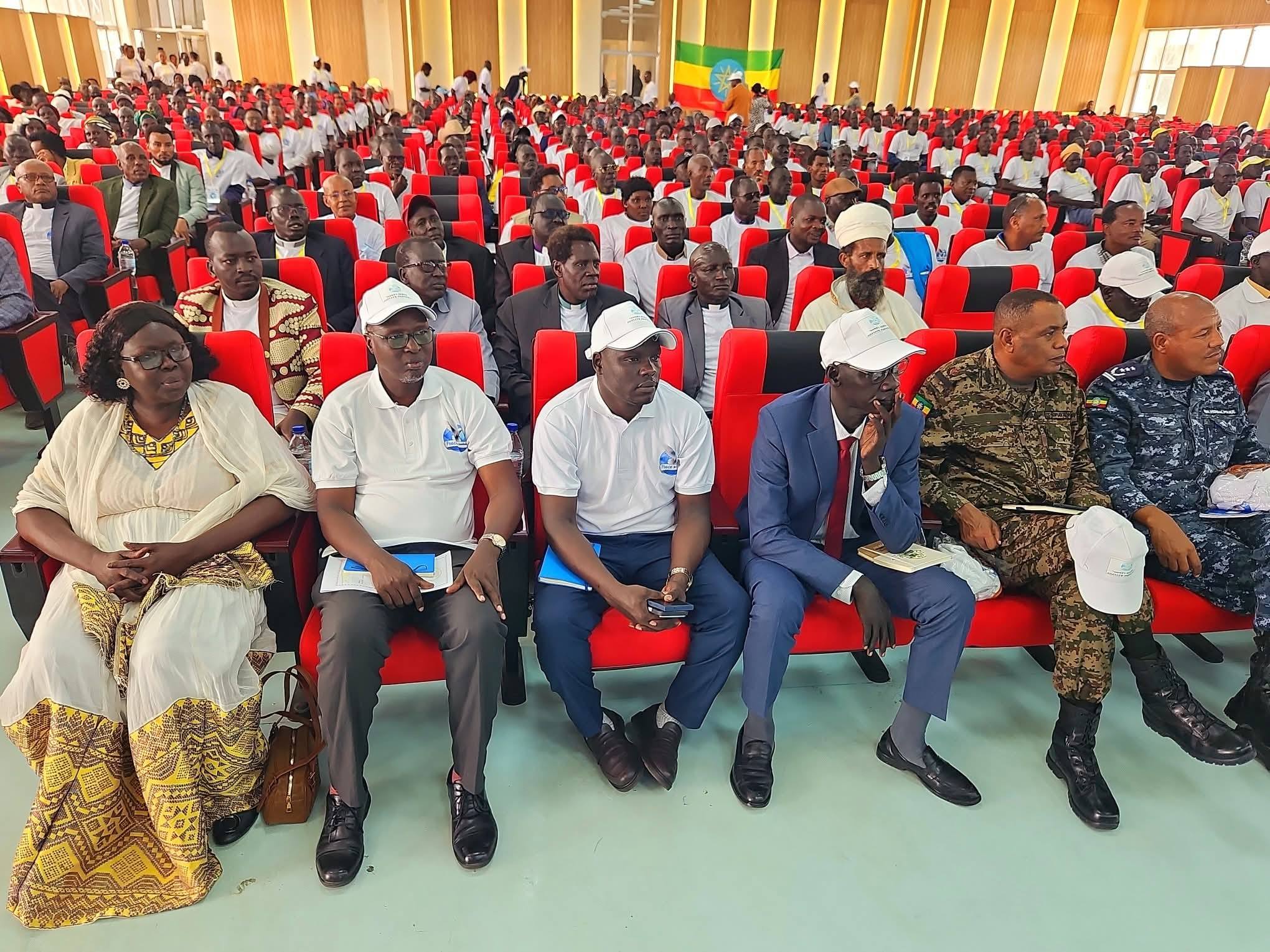
Gambella Peace Conference
nd observers noted that, at the grassroots level, people are tired of violence and are eager to restore coexistence between ethnic groups, particularly the Nuer and Anyuak communities.
A key concern raised during the conference was the perceived role of political leadership in hindering peace efforts. Some participants expressed frustration with regional authorities, arguing that leadership has failed to adequately address ongoing violence and insecurity.
There were also criticisms that political responses to conflict have been uneven or ineffective, contributing to mistrust and fear among communities.
Importantly, the conference also highlighted that views within ethnic groups are not uniform. Not all members of the Anyuak community support violence, and some openly voiced their desire for peace and coexistence.
This suggests that the conflict is not simply between communities, but is also influenced by political dynamics and divisions within them.
Speakers pointed out the social and economic consequences of continued violence. Previously, Nuer and Anyuak communities lived side by side, engaging in trade and shared livelihoods. Agricultural exchange, fishing, and local markets helped sustain interdependence. However, ongoing insecurity has disrupted these relationships, leading to economic hardship, displacement, and reduced trust.
Testimonies shared at the conference also emphasized the human cost of the conflict. Participants described fear, loss, and the breakdown of law and order. Concerns were raised about accountability, with claims that perpetrators of violence are not consistently brought to justice, and that witnesses may be reluctant to come forward due to safety concerns.
Another issue raised was the presence of armed groups and questions around security arrangements in the region. Some participants questioned the necessity and role of certain forces, especially when official security institutions are already in place.
Despite these challenges, the conference provided a platform for dialogue and truth-telling. Voices from different communities—including women—played an important role in expressing grievances and calling for change. Their contributions underscored the importance of inclusive peacebuilding efforts.
Conclusion
Overall, the peace conference demonstrated that while political tensions and insecurity remain significant obstacles, there is a clear foundation for peace in Gambella rooted in the will of its people. Moving forward, sustainable peace will likely require accountable leadership, inclusive dialogue, protection of civilians, and rebuilding trust between communities.Gambella Peace Conference