


Report on the Alarming Surge of Violence in Gambella and the Urgent Need for State-Led Civilian Protection Measures:
- Executive Summary
This memorandum presents verified findings on the sharp escalation of violence against civilians in Gambella Regional State between November 2025 and January 2026.
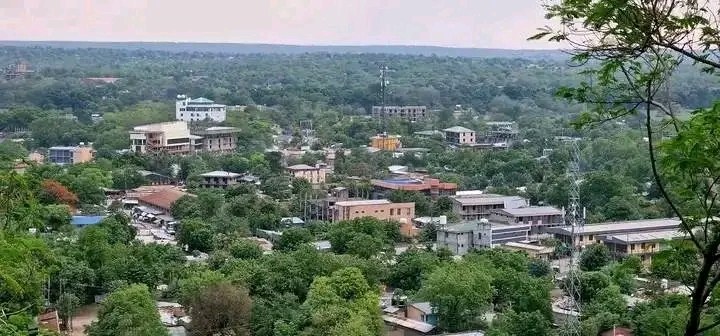
The View of the Gambella Town
During this period, over 118 civilians were killed, 7 abducted, and 8 subjected to sexual-related violence (SRV). This constitutes the highest civilian toll recorded within any three months since 2024.
The data reflects a 92% increase in total victims, including a 77% rise in civilian deaths and a 64% increase in injuries. These trends point to a serious deterioration of civilian protection, weakening of the rule of law, and the expansion of armed violence carried out with near-total impunity.
This memorandum respectfully but firmly calls upon the Federal Government of Ethiopia and the Gambella Regional Administration to take immediate, coordinated, and measurable action to halt further loss of life and restore public confidence in state protection.
- Scope and Geographic Impact
The violence documented during the reporting period affected multiple districts and population centers:
Gambella_City: 19 deaths, 17 injuries
Tharpam Kebele & #Kule_Refugee Camp: 59 deaths, 43 injuries
Abol_District: 22 deaths, 33 injuries
Itang_Special_District: 14 deaths, 22 injuries
Gog_District: 4 deaths
The concentration of violence in refugee-hosting and civilian-dense areas, particularly Kule Refugee Camp, raises grave concerns regarding Ethiopia’s obligations under international refugee law and humanitarian protection standards.
The widespread nature of the incidents confirms that the situation in Gambella is not localized, but rather indicative of a regional security crisis.
- Impact on Vulnerable Populations
The reporting period recorded a more than two-fold increase in child victims, rising from 3 to 7 cases. This trend reflects a breakdown in child-protection safeguards and exposes minors to irreversible physical and psychological harm.
Women and girls accounted for 38% of all documented sexual-related violence cases. These acts constitute serious violations of human rights and international humanitarian law, and their persistence indicates inadequate prevention, reporting, and accountability mechanisms.
The continued targeting of civilians, particularly women, children, refugees, and displaced persons demand urgent corrective measures.
- Perpetrators and Accountability Gaps
Findings indicate that:
34% of incidents were attributed to community-based militias and civil Defense groups.
76% of incidents were carried out by unidentified armed elements.
The high proportion of unidentified perpetrators signals systemic failures in intelligence gathering, law enforcement, and judicial accountability. This environment of impunity emboldens armed actors and directly contributes to the recurrence and escalation of violence.
While community defence structures are often justified as protective mechanisms, their unchecked operations have increasingly resulted in civilian casualties, retaliatory violence, and human rights abuses.
- State Responsibility and Legal Obligations
Journalists Pam Chuol Joack and Ojullu Oman, contributing to this report, accurately underscore that:
“It is the primary responsibility of the government to protect civilians and prevent conflicts that continue to inflict immense harm on communities throughout the country.”
This responsibility is not discretionary. Under the Ethiopian Constitution, as well as regional and international legal frameworks, the state bears the primary obligation to safeguard life, security, and human dignity.
Continued inaction or delayed, fragmented responses risks not only further civilian harm but also the erosion of public trust and the legitimacy of state authority.
- Structural Drivers of the Conflict
While armed actors execute the violence, its root causes remain unaddressed. These include:
Chronic poverty and underdevelopment
Limited access to education and public services
Weak local governance and dispute-resolution mechanisms
Unresolved historical and inter-communal grievances
Competition over land and natural resources
Without confronting these structural drivers, security-only responses will remain temporary and ineffective.
- Key Recommendations
This memorandum respectfully urges the following actions:
- Immediate reinforcement of civilian protection in high-risk areas, including Gambella City, Kule Refugee Camp, and Abol Woreda.
- Independent investigations into all reported killings, sexual violence, and abductions, with public accountability for perpetrators regardless of affiliation.
- Disarmament and regulation of unauthorised armed groups operating under the guise of community defence.
- Strengthened early-warning and rapid-response systems to prevent escalation.
- Comprehensive survivor support, including medical, psychosocial, and legal assistance.
- Inclusive dialogue initiatives involving community leaders, elders, women, and youth to address grievances peacefully.
- Conclusion
The data presented in this briefing is a warning. Gambella is approaching a critical threshold where continued violence may become entrenched and irreversible. The window for preventive action remains open, but it is narrowing rapidly.
The people of Gambella are entitled to peace, security, and dignity. Meeting this obligation requires decisive political will, coordinated governance, and genuine accountability. Failure to act now will carry profound human, legal, and political consequences.
Note:This article is written by Pam Chuol Joack (MSc), journalist, columnist, political analyst, researcher and contributor to Gambella Vision.
Contact: in**@************on.net
GambellaVision