
President Alemitu Umot administration continues to arrest Nuer politicians and local residents in what many see as an attempt to shift blame for recent violence. Instead of delivering justice, her government is targeted the very people who had no role in the conflict.
Three months after the ethnic clashes that shook the region, the promise from both federal and regional authorities was clear: there would be accountability and peace.
But today, that promise feels empty, what people are witnessing on the ground is not justice, but selective arrests where identity matters more than evidence.
President Alemitu Omot arrests innocents over her own failure
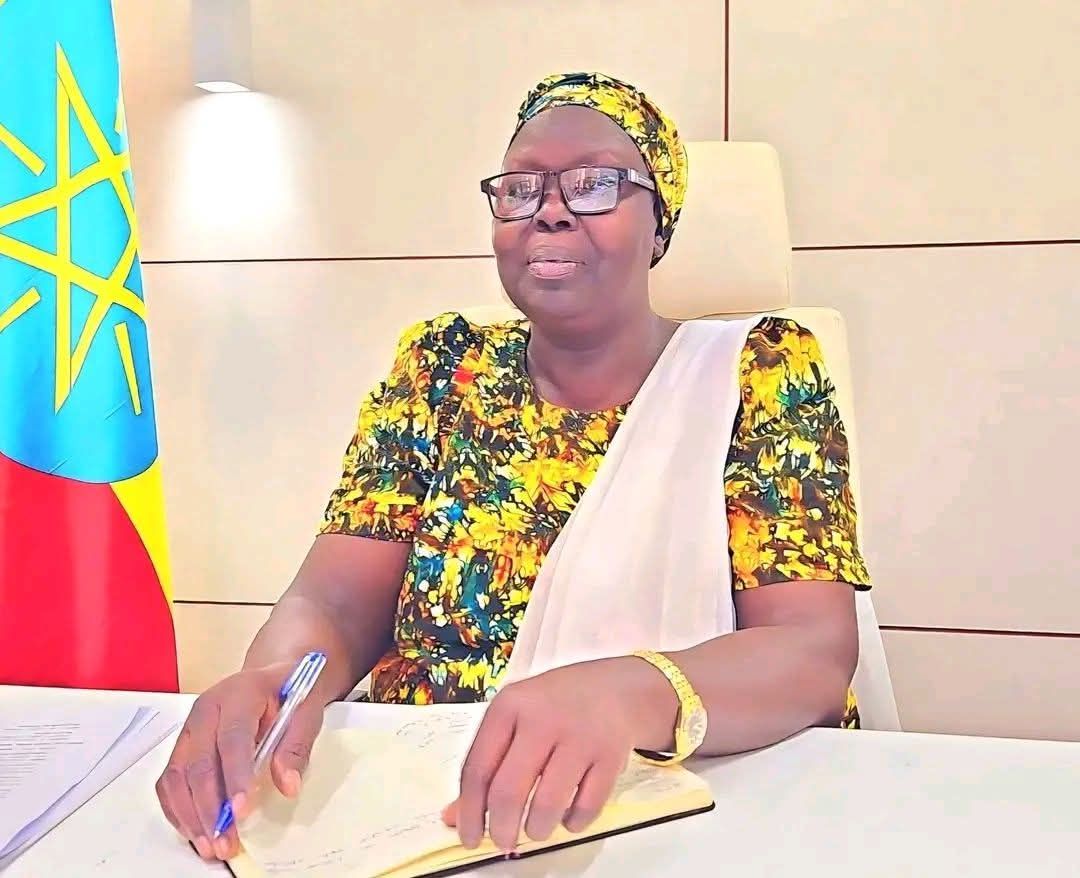
President Alemitu Arrests Innocents over her own Failures
The violence left deep scars across communities, yet many Nuer leaders and civilians who had no connection to the violence are now being detained. Rather than carrying out open and fair investigations, security forces appear to be choosing the easier route; arrest first, investigate later.
This has raised serious concerns among residents, who are now questioning whether the government is genuinely seeking justice or simply trying to control the narrative.
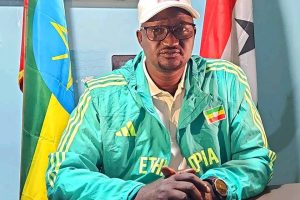
One case that has drawn widespread attention is that of Pal Tut. With no known involvement in the conflict, his arrest has become a powerful example of what many describe as a broader crackdown on innocent Nuer individuals. For many in Gambella, his detention sends a clear and troubling message that being Nuer is increasingly enough to become a suspect.
President Alemitu Umot’s approach is dangerous and short-sighted. By focusing on one community while ignoring the real perpetrators, her administration risks deepening ethnic divisions instead of healing them. The true organizers of the violence remain free, while innocent people are being used as scapegoats. This not only weakens trust in the justice system but also fuels anger and resentment among affected communities.
At the heart of the issue is a simple but serious question; is this justice or persecution?
If these arrests are based on real evidence, then the government must present that evidence openly and transparently. But if not, then what is happening in Gambella cannot be called justice. It is persecution, carried out under the cover of law enforcement.
Gambella stands at a critical moment. Every decision made now will shape the region’s future.
The path of selective justice and political targeting will only push communities further apart. True peace can only come through fairness, truth, and accountability for everyone, without exception.
This Article was Peepared by Pam Chuol Joack, a Gambella Vision Contributor